



Bosch LSU 4.9 Probe
Pairs well with

Same Day Shipping
When you order before 15:00 BST
Monday - Friday

Worldwide Shipping


All Orders are Carbon-Neutral


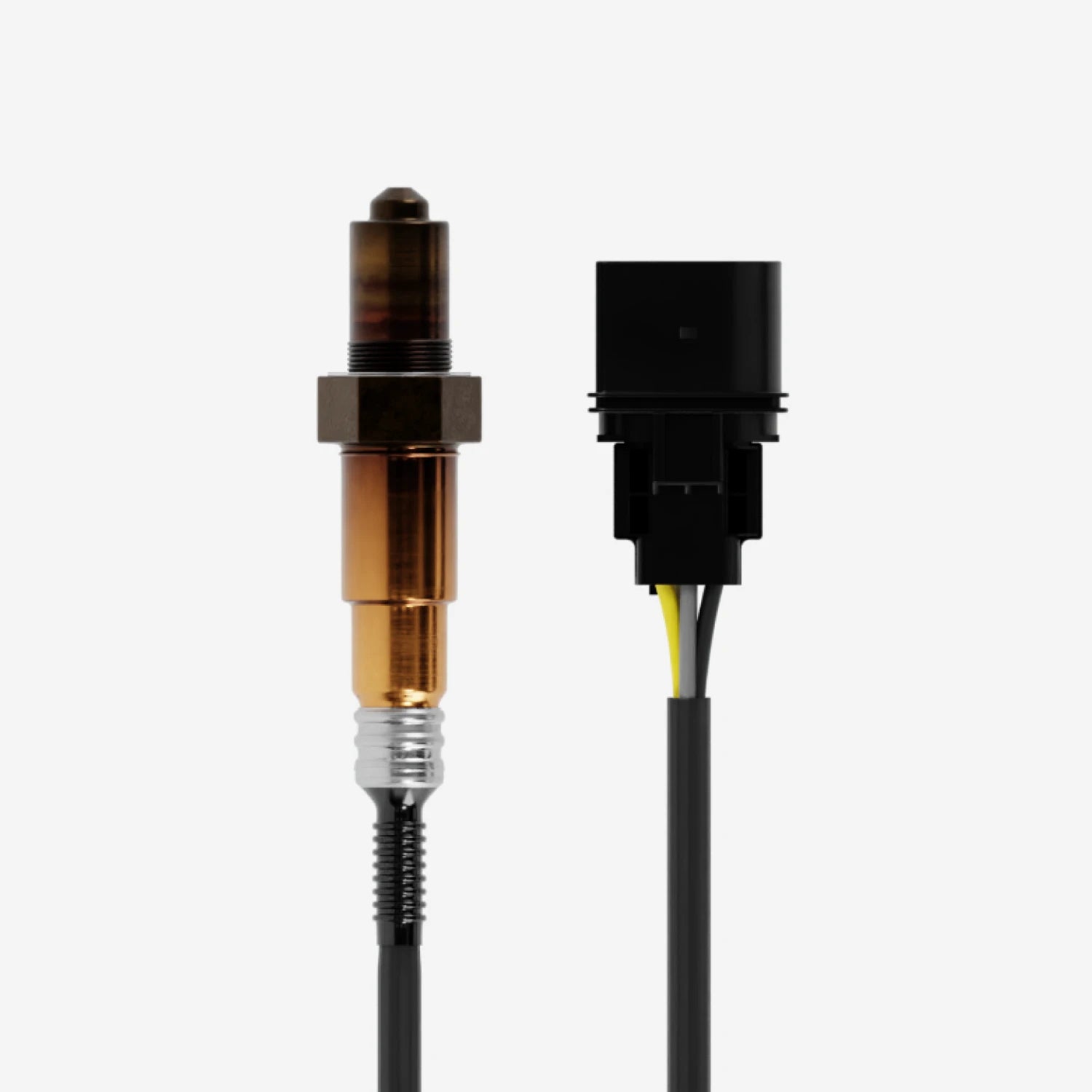
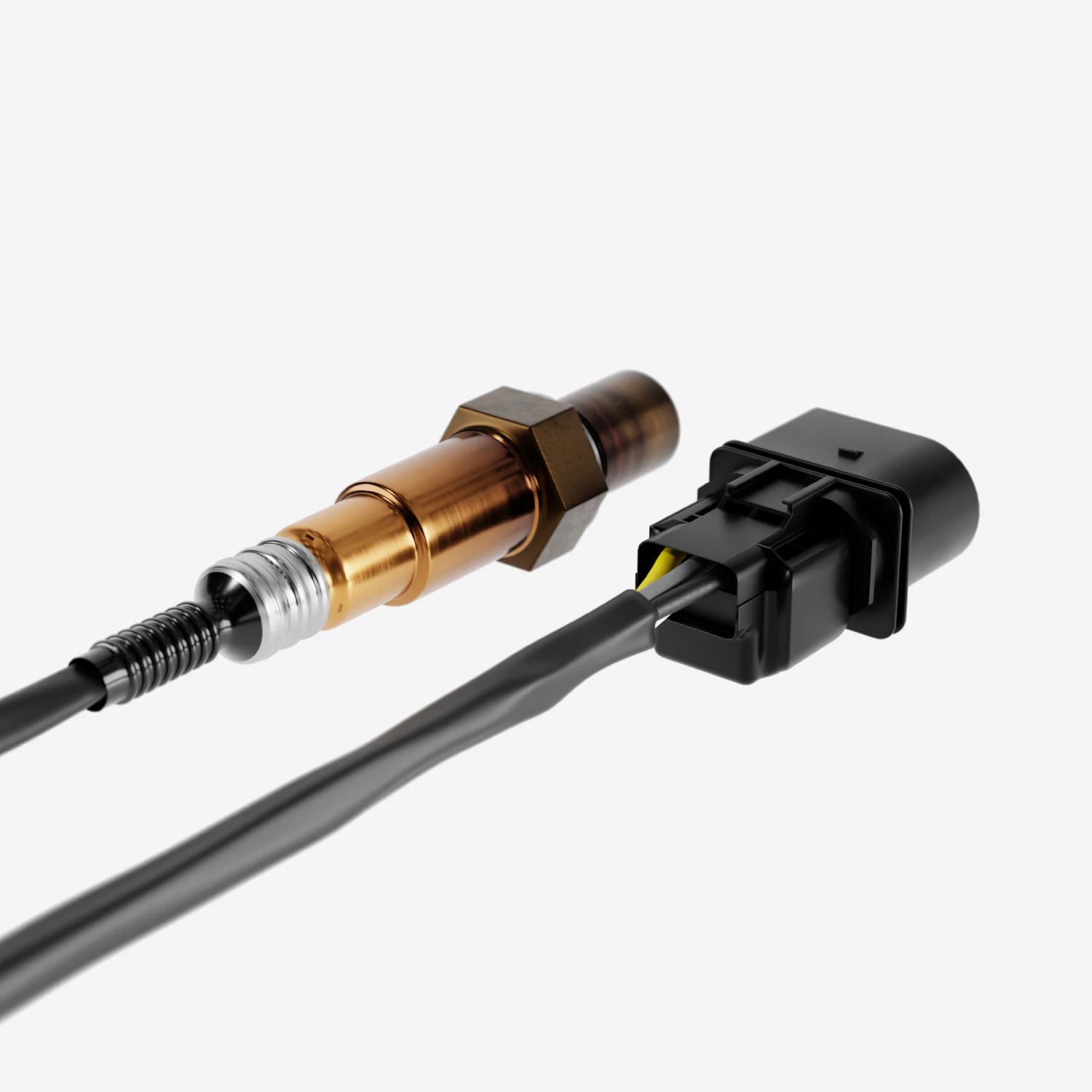
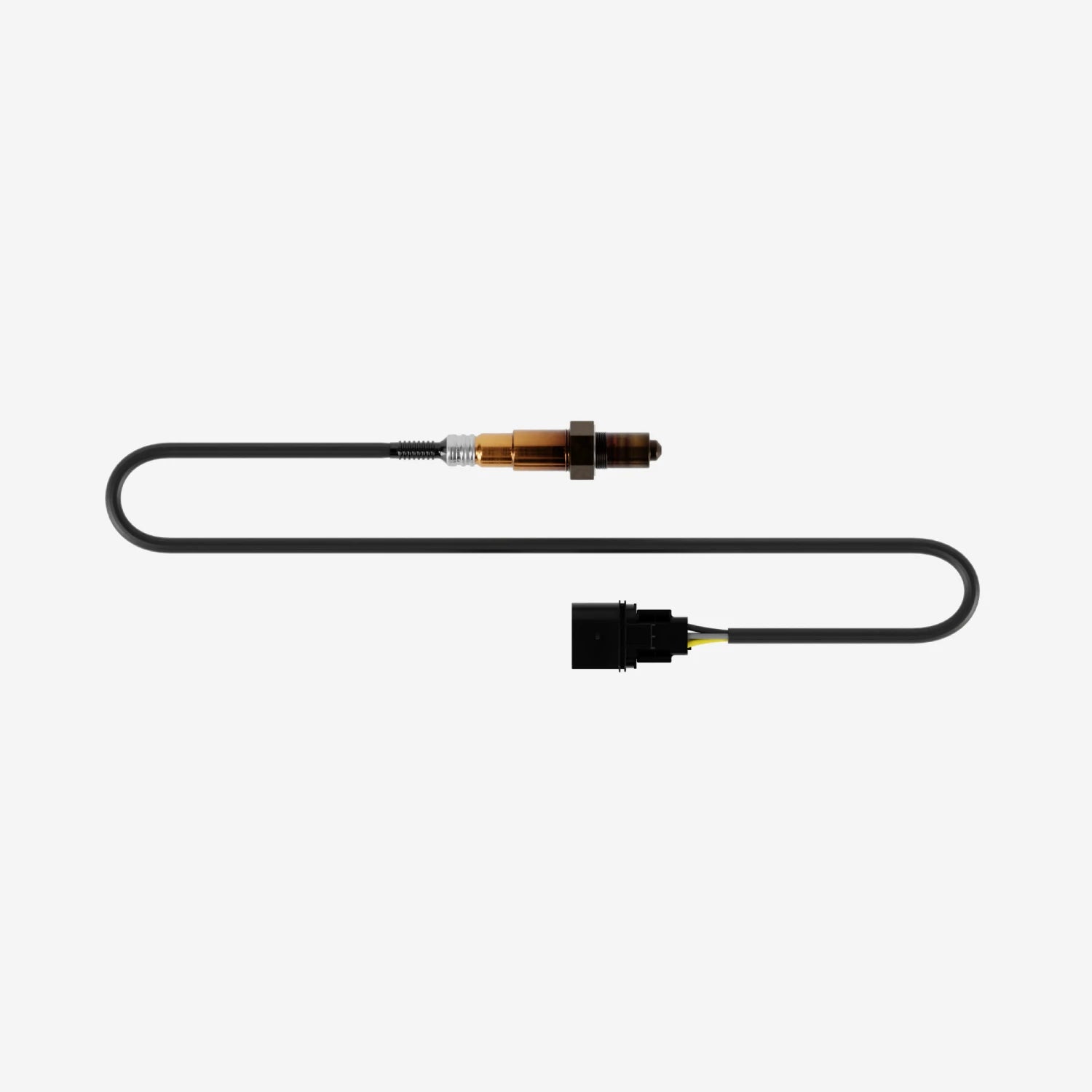
Bosch LSU 4.9 Probe
If you’ve got a question, you’re looking for information, or you just want to chat, please find a host of available help options below.
Measure Air-Fuel Ratio
The Bosch LSU 4.9 Probe Sensor is designed specifically for measuring the proportion of oxygen in exhaust gases of automotive engines (both gasoline and diesel). The Bosch LSU 4.9 Probe also reaches operating temperatures of 700 to 800°C within 20 seconds of using its internal heater, making it extremely efficient in motorsport setups.
Why Choose the Bosch LSU 4.9 Probe
The Bosch LSU 4.9 Probe is the ultimate sensor for delivering precise air and fuel ratio measurements. It is optimal for engine tuning, improving performance, fuel efficiency, and emissions control to help protect your engine overall. Its operating temperatures are the best amongst other sensors on the market - the Bosch LSU 4.9 Probe is almost twice the operating temperature of a conventional oxygen sensor. With a light weight of only 120g and a response time of less than 100 milliseconds, the Bosch LSU 4.9 is one of the best wideband lambda sensors available.
How the Bosch LSU 4.9 Probe Works
The Bosch LSU 4.9 Probe Sensor is a planar zirconium dioxide (ZrO2) dual-cell limiting current sensor with an integrated heater that measures the proportion of oxygen in exhaust gases of automotive engines to optimise air-fuel ratios. The LSU sensor’s monotonic output signal ranges from lambda 0.65 to air, making it a universal sensor for lambda 1 measurement as well as for other lambda ranges.
How to Install the Bosch LSU 4.9 Sensor
The Bosch Lambda Sensor is designed to operate only in combination with a dedicated LSU-IC, as used in most Bosch Motorsport ECUs and lambda control units. For accurate measurement, the sensor should be installed at a location that provides a truly representative exhaust-gas mixture while remaining within the maximum permissible temperature limits. Ideally, this point should be as hot as possible without exceeding those limits.
Wherever feasible, the sensor should be mounted vertically with the wiring oriented upwards, and it should not be positioned near the exhaust outlet, where outside air could influence the readings. The section of the exhaust opposite the sensor must be free from leaks to prevent the ingress of leak-air, and the installation should ensure the sensor is protected from condensation water. If the sensor thread needs lubricating, please only use the recommended grease from the manufacturer.
Technical Information
Technical Specs
Included in the Box
Bosch LSU 4.9 Lambda Probe
-

Free Aim Software

Downloads

