
Aim Eksosgasstemperatur (EGT) T12 termoelementsensor
Pairs well with

Same Day Shipping
When you order before 15:00 BST
Monday - Friday

Worldwide Shipping


All Orders are Carbon-Neutral


If you’ve got a question, you’re looking for information, or you just want to chat, please find a host of available help options below.
Exhaust Gas Temperature Sensor
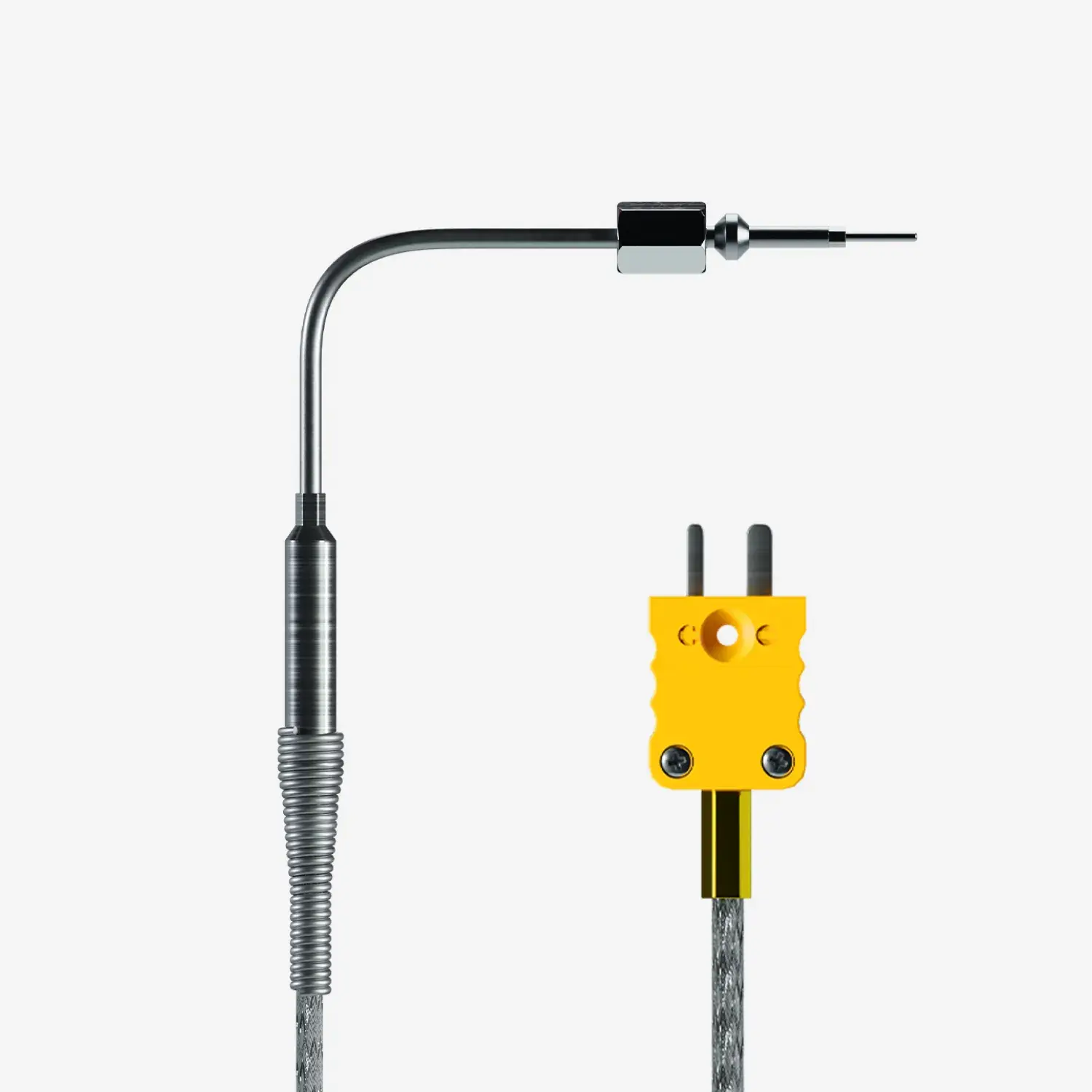
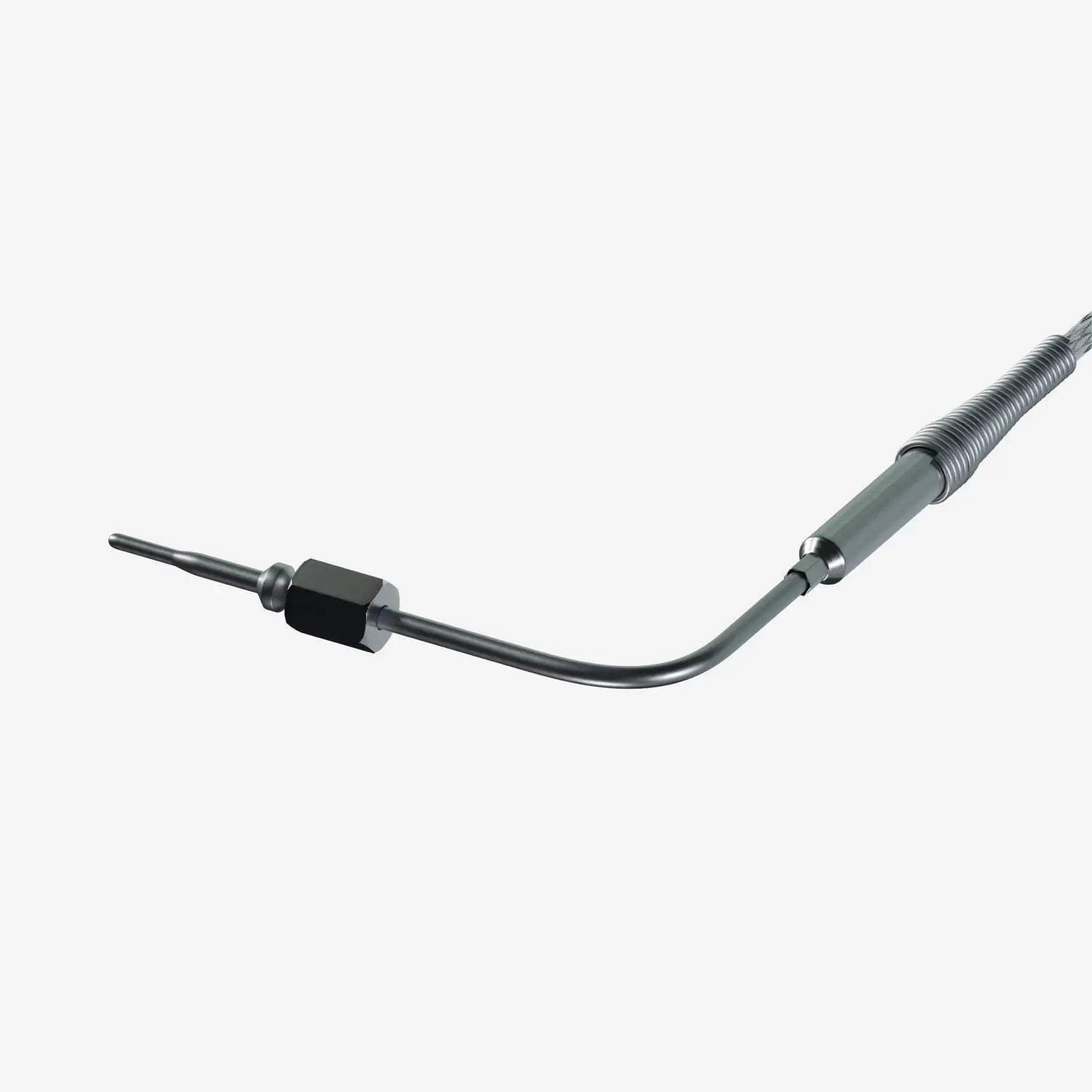
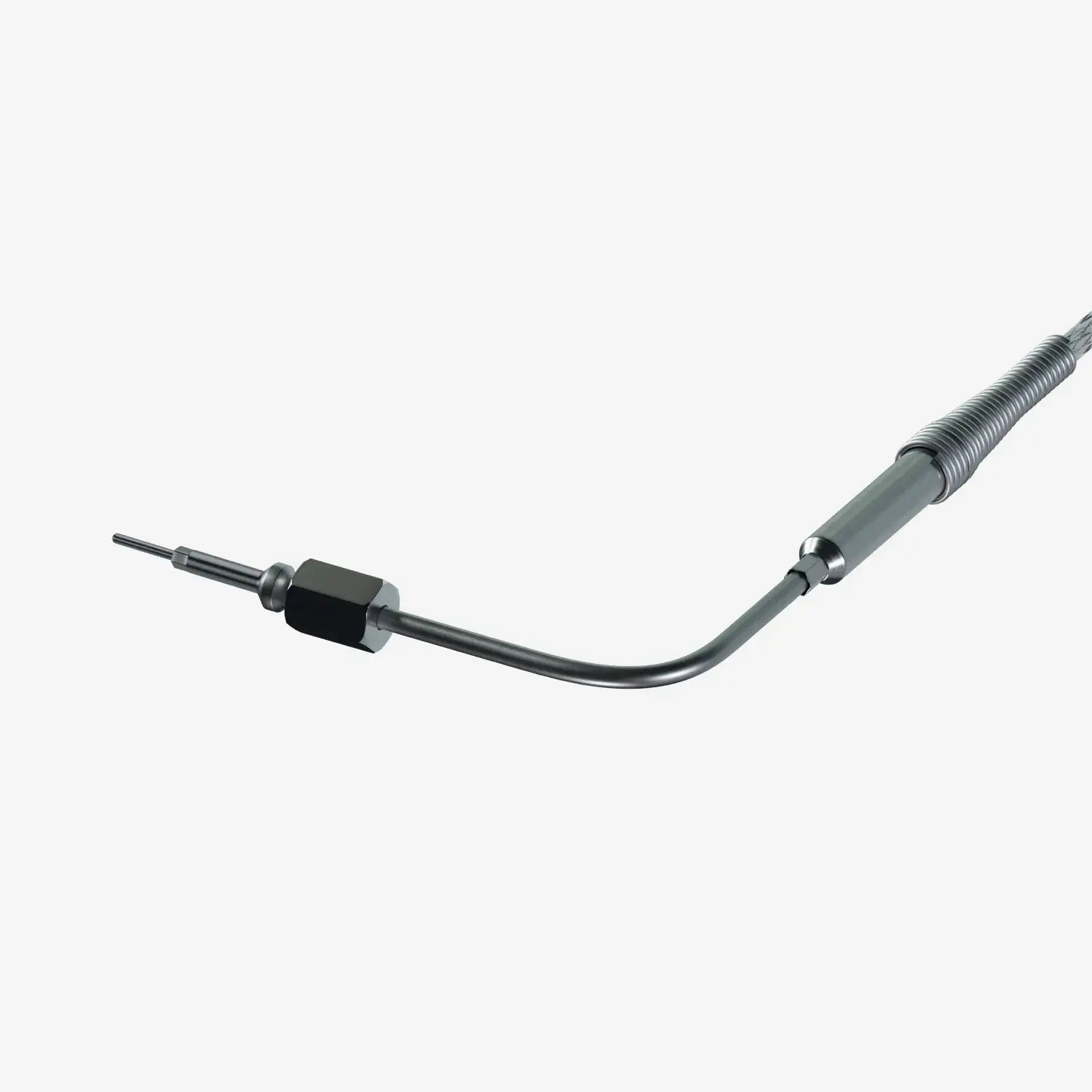
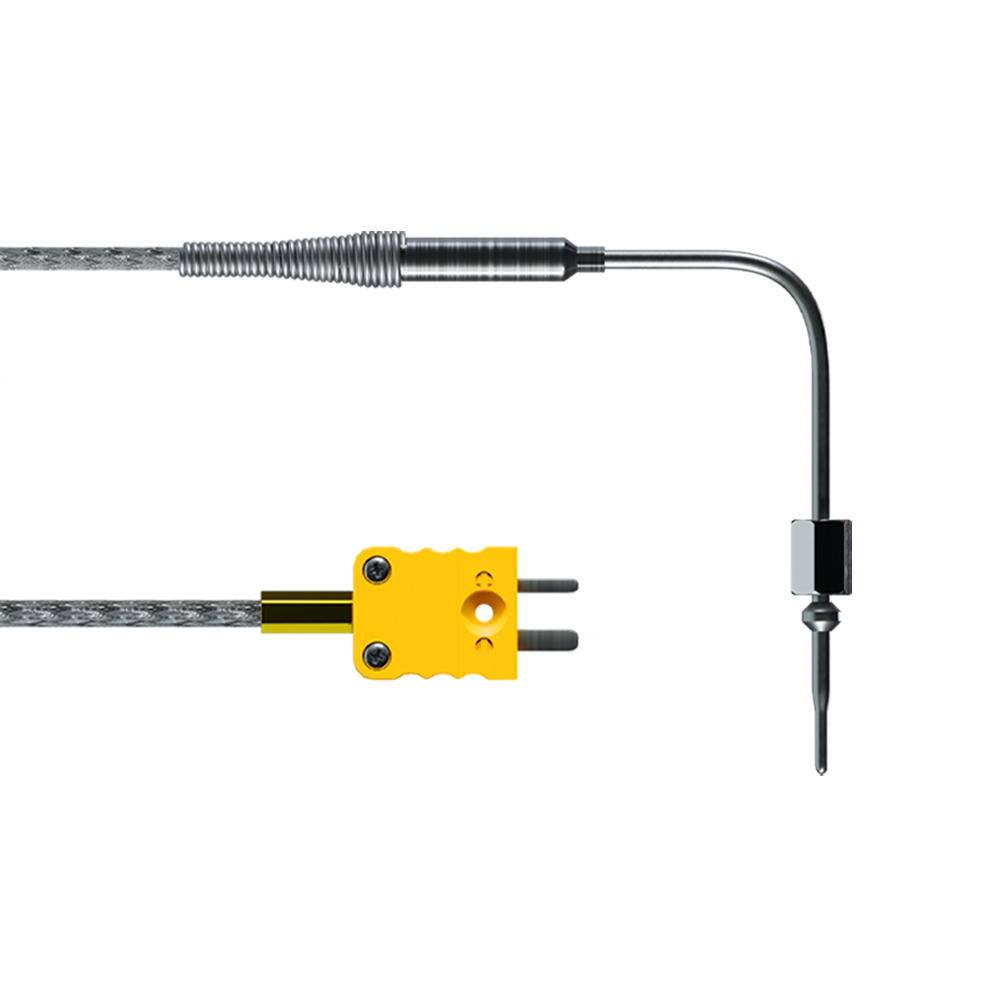
The Aim Exhaust Gas Temperature (EGT) Kart Sensor accurately measures exhaust gas using a thermocouple placed in the exhaust header pipe for faster data reading. The T12 EGT Sensor is primarily designed to operate with all MyChron kart dash/data loggers.
Why Choose the Aim EGT T12 Thermocouple Sensor
T12 refers to the specific connector type used by some Aim systems and is designed for easy plug and play integration with compatible Aim hardware. The EGT T12 Thermocouple Sensor has a temperature range of 0-1000°C and is known for its durability and accuracy in the extreme heat of motorsport exhaust systems. They are commonly used in kart racing to measure exhaust heat to optimise performance, efficiency and prevent damage.
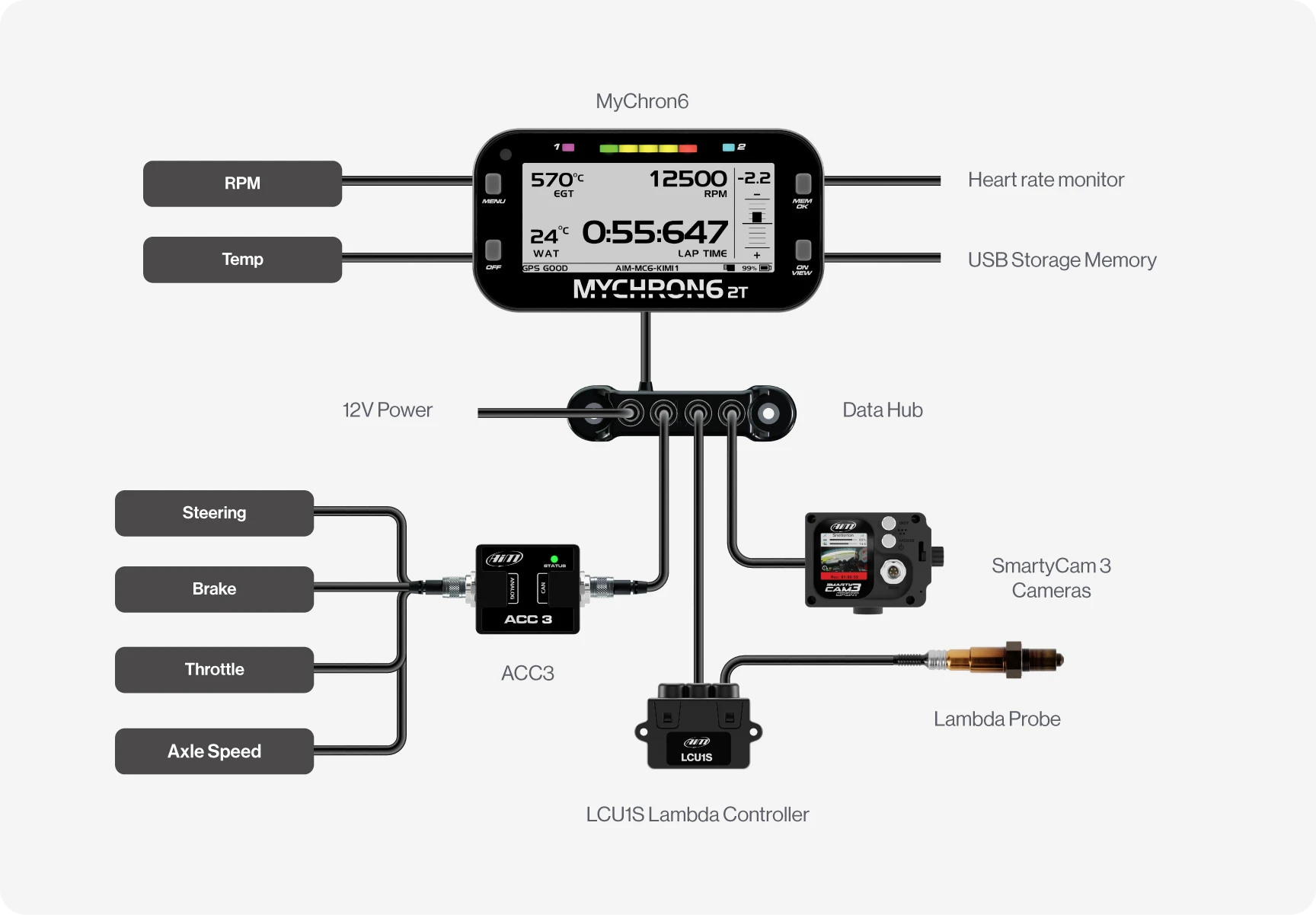
Please Note: The sensor comes with a 25cm cable. If you want to monitor EGT and under plug temperatures (CHT), two EGTs or two CHTs, you will need to use the double temperature patch lead, which is fitted with two 2-pin Mignon plugs.
How EGT Thermocouple Sensors Work
The Aim EGT Sensor is installed in the exhaust manifold or header using a weld-in or clamp-on bung. As the engine runs, hot exhaust gases flow past the thermocouple probe. The EGT Sensor generates a small voltage proportional to the temperature it experiences. This signal is sent directly to the Aim data logger or dash, such as the MyChron 6 2T, which is an ideal match for the T12 connector.
Please Note: When running the thermocouple cable through the chassis, ensure to keep it as far as possible from other cables, such as RPM cables or receivers, to minimise interference.
Technical Information
Technical Specs
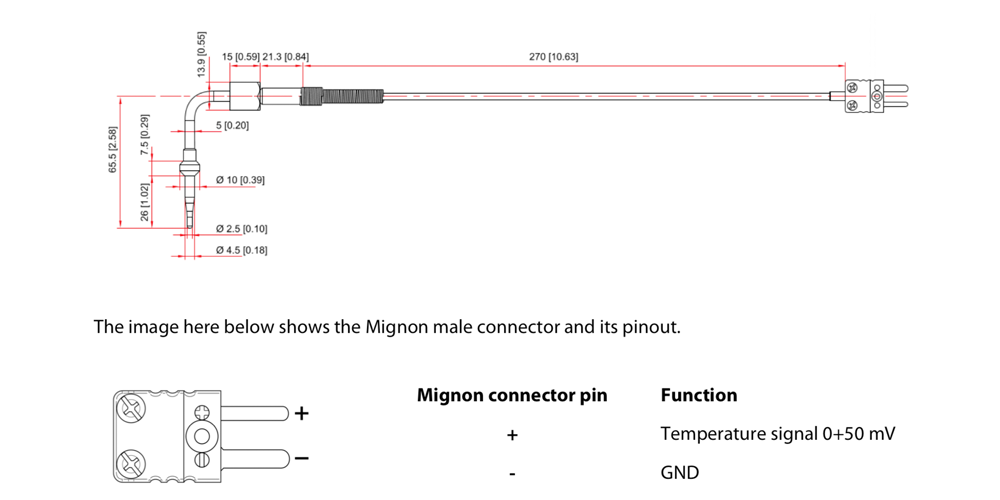
Diagram
Included in the Box
T12 EGT-sensor
-

Free Aim Software
Downloads


Connection Example